



















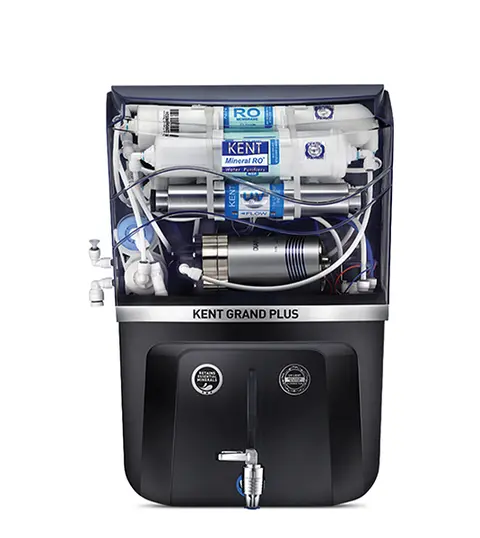
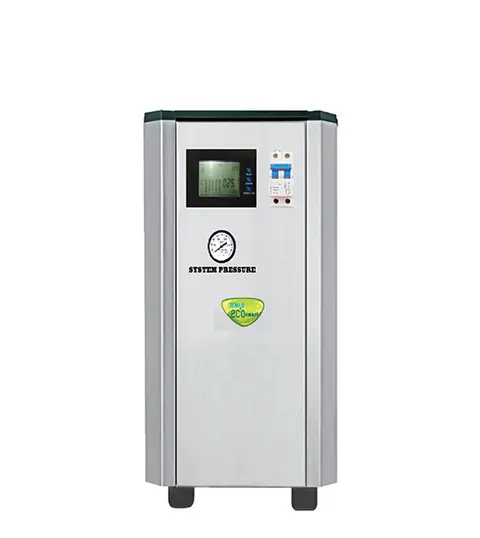
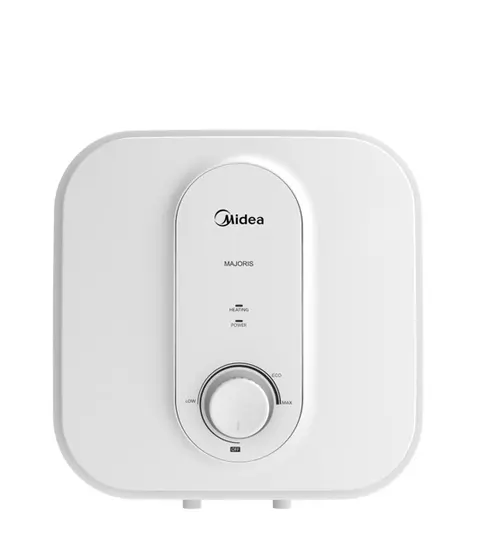





























But choosing a water purifier is not always simple. Walk into any appliance store or browse online and you will find
RO, UV, UF, gravity-based and multi-stage water purifiers, all promising different features.
So, which one should you actually buy?
The answer depends less on the number of features printed on the box and more on the water you receive at home.
Water from a municipal supply, deep borewell, tanker, spring or another local source can have very different
characteristics. Understanding your water first makes it much easier to choose the right purifier.
Why do you need a water purifier?
Water can look completely clear and still contain substances that you cannot see, smell or taste. Depending on
the source and the condition of the supply system, water may contain suspended particles, microorganisms, dissolved
minerals, salts or other contaminants.
Traditional methods such as boiling can be useful for reducing many microorganisms, but boiling does not remove
dissolved salts and minerals. A water purifier uses one or more filtration technologies to address particular
types of impurities.
This is why there is no single purifier that is automatically the right choice for every household.
First: Know the water coming into your home
Before purchasing a purifier, try to understand your water source and its quality. This is particularly important
when choosing between RO and non-RO systems.
One commonly discussed measurement is TDS, or Total Dissolved Solids. TDS is generally expressed
in parts per million (ppm) and represents the amount of dissolved substances in water. A TDS meter can provide a
quick reading, although TDS alone does not tell you everything about water quality.

- Municipal or treated supply: Depending on the quality of the incoming water, a UV, UF or
multi-stage system may be sufficient for some homes. - Borewell or groundwater: Groundwater can have higher levels of dissolved minerals and salts,
making RO a consideration in some situations. - Tanker or variable water supply: If your source changes regularly, testing the water can be
particularly useful before selecting a purifier. - Spring or other natural sources: Natural-looking water is not automatically safe. Testing helps
determine what treatment is actually required.
If you are unsure about your water quality, a proper water test is more useful than choosing a purifier based only
on a TDS number.
RO, UV, UF and Gravity Purifiers Explained
Different purification technologies work in different ways. Understanding their basic purpose can help you avoid
paying for features you may not need.
1. RO Water Purifier
RO stands for Reverse Osmosis. An RO system uses a semi-permeable membrane and pressure to separate
water from many dissolved substances.
RO is commonly considered when the incoming water contains a relatively high concentration of dissolved salts or
minerals. It is often used with groundwater, borewell water and other sources where dissolved solids are a concern.
Modern RO purifiers commonly combine RO with other stages such as sediment filtration and activated carbon filtration.
Some models also include UV or additional treatment stages.
RO may be worth considering when:
- Your water has relatively high TDS.
- You use borewell or groundwater.
- Water testing indicates dissolved substances that require reduction.
- You want a multi-stage purification system.
One thing to remember is that RO systems generally produce reject water during operation and require regular filter
and membrane maintenance.
2. UV Water Purifier
UV stands for Ultraviolet. UV purification uses ultraviolet light to inactivate many microorganisms
in water.
Unlike RO, UV treatment does not work by removing dissolved salts from the water. Therefore, UV is generally more
relevant when dissolved solids are not the main concern but microbial treatment is required.
UV may be suitable when:
- The incoming water has relatively low dissolved solids.
- The primary concern is microbial contamination.
- You receive treated or municipal water but want additional treatment.
UV systems also normally require electricity and should be maintained according to the manufacturer’s instructions.
3. UF Water Purifier
UF, or Ultrafiltration, uses a membrane with very small pores to physically filter particles and
certain microorganisms from water.
UF does not normally remove dissolved salts in the way RO does. It can therefore be useful where the main requirement
is physical filtration and the dissolved mineral content of the source water is not the primary concern.
Some UF systems can operate without electricity, making them useful for locations where power availability is
limited.
4. Gravity-Based Water Purifier
Gravity-based purifiers use the force of gravity to move water through filtration media. They generally do not require
electricity.
They can be a practical option when the incoming water is already reasonably treated and the household mainly needs
additional filtration.
However, a gravity purifier should not be selected simply because it is inexpensive. Its suitability depends on the
quality of the water going into it and the capabilities of its filtration system.
RO vs UV vs UF vs Gravity: What’s the Difference?
| Feature | RO | UV | UF | Gravity |
|---|---|---|---|---|
| Reduces dissolved substances | Yes | No | Generally no | Depends on filter media |
| Microbial treatment | Depends on system | Yes | Can remove many microorganisms | Depends on filter |
| Electricity required | Usually | Yes | Often no | No |
| Suitable for high-TDS water | Often considered | No | No | Generally no |
| Reject water | Usually | No | No | No |
| Maintenance | Regular | Regular | Regular | Regular |

What is a Multi-Stage Water Purifier?
You may have noticed water purifiers advertised with names such as 5-stage, 6-stage, 7-stage or even higher-stage
purification.
A stage usually represents a particular filtration or treatment step. For example, a purifier may combine:
- Sediment filtration
- Activated carbon filtration
- RO membrane
- UV treatment
- Additional polishing or mineral-related stages
More stages do not automatically mean better water. What matters is whether those stages address the actual
characteristics of your incoming water.
Instead of choosing a purifier simply because it says “7-stage” or “10-stage”, check what each stage actually does.
What does a sediment filter do?
A sediment filter is commonly used as an initial filtration stage. It can help reduce larger suspended particles
such as dirt, sand and other visible or microscopic sediment.
This stage can also help protect subsequent filtration components from excessive sediment loading.
What does an activated carbon filter do?
Activated carbon is widely used in water treatment because it can adsorb certain compounds that may affect taste,
smell and water quality.
Many household purifiers use activated carbon as part of a multi-stage filtration system.
Do you really need RO?
Not necessarily.
RO is a useful technology for particular water conditions, especially where dissolved substances are a significant
concern. But installing an RO purifier for every type of water can be unnecessary.
If your incoming water is already treated and has relatively low dissolved solids, a suitable non-RO system may
address your needs without the additional water wastage and maintenance associated with RO.
The important question is not:
“Which purifier has the most features?”
The better question is:
“What does my water actually need?”
How to Choose a Water Purifier for Your Home
Before buying, consider these factors.
1. Check your water source
Start by identifying whether your water comes from a municipal supply, borewell, tanker, spring, well or another
source.
2. Test the water
If possible, get your water tested. TDS is useful information, but it should not be treated as a complete water
quality test.
3. Decide what treatment you actually need
If dissolved salts are a major concern, RO may be appropriate. If the water already has suitable dissolved-mineral
characteristics but microbial treatment is needed, UV may be relevant. In other cases, UF or gravity filtration
may be enough.
4. Check filter replacement costs
The purchase price is only one part of the cost of owning a purifier.
Before buying, ask:
- How often do the filters need replacement?
- How much do replacement filters cost?
- Is professional servicing available?
- Are replacement parts easily available?
- What is the warranty period?


5. Consider your household size
A small household may not require the same storage capacity as a large family. Consider the purifier’s storage tank
size, purification rate and your daily water consumption.
6. Think about electricity availability
RO and UV systems generally require electricity. If your area experiences frequent power interruptions, consider
whether the purifier has appropriate functionality for your situation.
7. Consider installation space
Check where you intend to install the purifier. Under-sink, wall-mounted and countertop models have different space
requirements.
Water Purifier Maintenance: What You Should Know
Buying a good purifier is only the beginning. Regular maintenance is important for keeping the system operating
properly.
Filters become less effective as they accumulate contaminants. The exact replacement schedule varies according to
the purifier, filter type, water quality and usage.
Always follow the manufacturer’s recommended maintenance schedule rather than waiting until the water tastes or
smells different.
Keep these maintenance points in mind:
- Replace filters according to the manufacturer’s instructions.
- Replace RO membranes when required.
- Keep the storage tank clean.
- Check for leaks around connections.
- Have UV lamps or UV systems serviced as recommended.
- Use genuine or manufacturer-approved replacement components where appropriate.
Common Mistakes People Make When Buying a Water Purifier
Mistake 1: Choosing based only on TDS
TDS is useful, but it is only one measurement. Two water sources can have similar TDS readings while having
different water-quality characteristics.
Mistake 2: Assuming more stages are always better
A purifier with more stages is not automatically more suitable. Look at what each stage does and whether it is
relevant to your water.
Mistake 3: Ignoring maintenance costs
A low-cost purifier can become expensive if its filters are difficult to find or expensive to replace.
Mistake 4: Buying without checking after-sales service
Water purifiers contain filters, membranes, pumps, electronics and other components that may require servicing.
Check whether service and replacement parts are available in your area.
Mistake 5: Forgetting about reject water
RO systems generally produce reject water. If you choose an RO purifier, understand its water recovery and
consider whether the reject water can be reused for appropriate non-drinking purposes.
RO Purifier vs UV Purifier: Which One Should You Buy?
There is no universal answer.
If your water has relatively high dissolved solids or other characteristics that make dissolved-substance reduction
necessary, RO can be an appropriate technology.
If your water already has suitable dissolved-mineral characteristics and the primary concern is microbial treatment,
a UV-based system may be more appropriate.
In some homes, a combination of technologies can make sense. The right combination depends on the source and quality
of the incoming water.
Water Purifier Buying Checklist
Before placing your order, use this simple checklist:
- ☐ I know where my household water comes from.
- ☐ I have checked or tested the water quality.
- ☐ I understand why I need RO, UV, UF or another technology.
- ☐ I have checked the purifier’s storage capacity.
- ☐ I know the approximate filter replacement schedule.
- ☐ I have checked replacement filter availability.
- ☐ I have checked warranty and service options.
- ☐ I have enough installation space.
- ☐ I understand whether the purifier produces reject water.
- ☐ I have compared the total ownership cost, not just the purchase price.
Frequently Asked Questions
Is RO water purifier suitable for every home?
No. RO is designed to reduce many dissolved substances and can be useful for certain water conditions. If your
incoming water does not require that treatment, another purification method may be more appropriate.
Does UV remove TDS?
No. UV treatment is intended primarily for microbial inactivation and does not remove dissolved salts and minerals
in the way RO does.
Does UF remove TDS?
Generally, no. UF primarily works through physical membrane filtration and does not normally reduce dissolved salts
like an RO membrane does.
Can I use a water purifier without electricity?
Yes. Gravity-based and some UF systems can operate without electricity. However, whether such a purifier is suitable
depends on the quality of the water entering the system.
How often should water purifier filters be changed?
There is no single replacement interval for every purifier. It depends on the filter type, manufacturer’s
recommendation, incoming water quality and household usage. Follow the instructions provided with your specific model.
Is a higher number of purification stages better?
Not necessarily. The important thing is whether the purification stages are appropriate for your water. A purifier
should be selected based on water quality rather than simply the number of stages advertised.
Should I buy a water purifier online?
Buying online can make it easier to compare models, prices, specifications and brands. However, make sure you also
check warranty coverage, installation, servicing and availability of replacement filters before making your purchase.
Find the Right Water Purifier on MeroEpasal
Choosing a water purifier does not have to be complicated. Start with your water source, understand the main
characteristics of your water, and then select the purification technology that addresses those needs.
Whether you are looking for an RO purifier, UV purifier, UF system, gravity-based purifier or a multi-stage water
purification system, comparing specifications and long-term maintenance requirements can help you make a more
informed purchase.
Explore water purification and water-care products on MeroEpasal and compare options from different
brands and sellers in one place.
Looking for a water purifier?
Browse water-care products on MeroEpasal and find an option that fits your home and your water.


