





















Boiling water kills germs, but it costs gas or electricity, leaves the water flat, and does nothing about what is dissolved in it. A purifier does the job every day, right at the tap. Which kind you need comes down to one question: what is in your water?
First, know your water
The number that decides it is TDS, total dissolved solids: the salts and minerals dissolved in water, measured in parts per million (ppm). A handheld TDS meter or a water test gives you the reading.
- High TDS is common with borewell, tanker and hard water, the kind that leaves white marks on taps and kettles. You need RO.
- Low TDS is typical of treated municipal supply. That water mainly needs germs removed, and UV is enough.
- Away from home — travelling, trekking, at school or the office — a bottle purifier goes where you go.
RO, UV and bottle purifiers side by side
| RO | UV | Bottle purifier | |
|---|---|---|---|
| What it removes | Dissolved salts and metals, and germs too in models with UV and UF stages | Bacteria and viruses | Bacteria and viruses |
| Best for | Borewell, tanker and hard water | Low-TDS municipal water | Safe water on the go |
| Needs electricity | Yes | Yes | No |
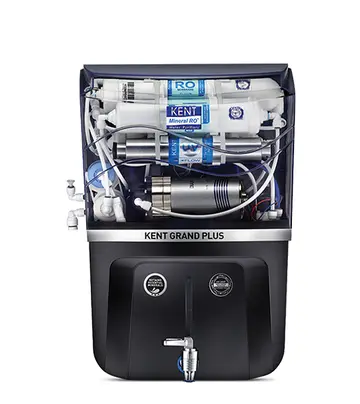
| For example | KENT Grand Plus-B | ZeroB UV Lite | ZeroB Tritan bottle |
RO: for hard and borewell water
Reverse osmosis pushes water through a membrane fine enough to hold back dissolved salts and metals. Good home units add further stages, so germs are dealt with too.
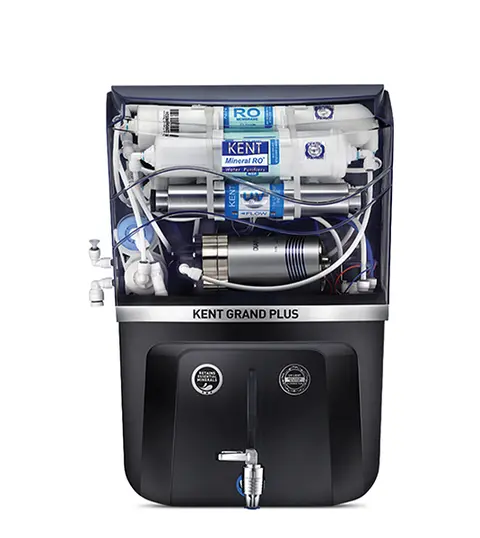
- The KENT Grand Plus-B combines RO, UV and UF with TDS control, and its Mineral RO technology keeps essential natural minerals in the water. It purifies about 20 litres an hour into a 9-litre tank, and mounts on the wall.
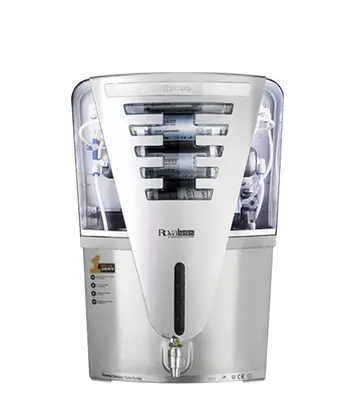
- The G+Series Royal adds copper, zinc and a TDS adjuster to RO, UV and UF, keeps 12 litres ready, and takes input water up to 2,000 ppm.
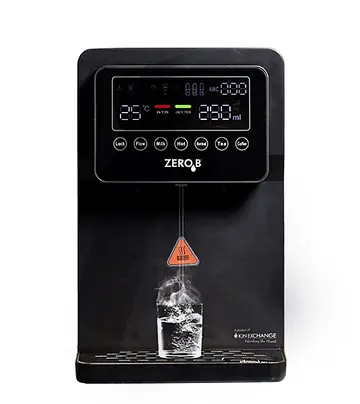
- For tea, coffee and noodles straight from the purifier, the ZeroB Ignite is a 5-stage RO that also dispenses hot water at five temperatures. It runs from a refillable tank, so it needs no plumbing and can sit in a shop, a clinic or an office.

UV: for water that is already low in TDS
Ultraviolet light disables bacteria and viruses as the water flows past the lamp. It adds nothing to the water and takes nothing away, which is exactly right for water that only needs to be made safe. It does not remove dissolved salts, so it is not the answer for hard or borewell water.
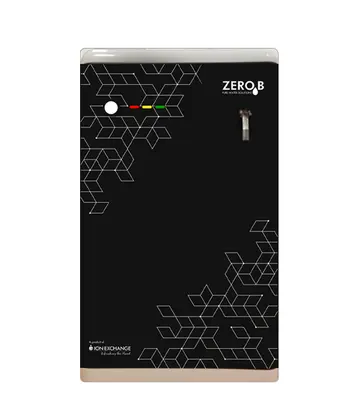
The ZeroB UV Lite is made for water up to 500 ppm and gives up to a litre a minute. It also keeps an eye on its own lamp: if the UV lamp stops working, the water stops flowing, so it never hands you water it has not treated.
Bottle purifiers: clean water wherever you are
A bottle purifier has the filter built into the bottle. Fill it from a tap or a tank and drink through the filter: no electricity, no waiting.
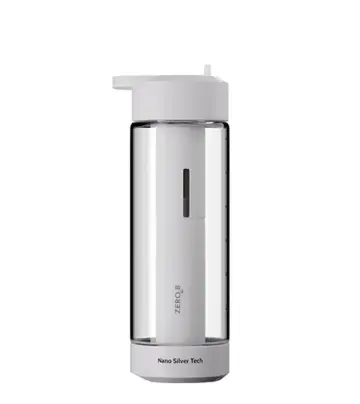
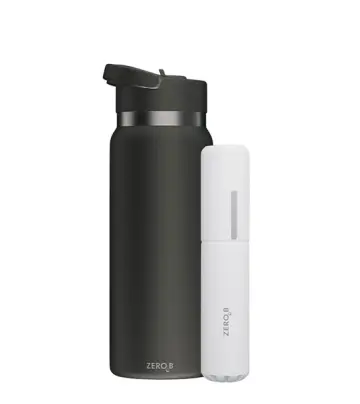
- The ZeroB Tritan bottle (600 ml, BPA-free) and its stainless steel twin remove 99.9% of bacteria and viruses, and each cartridge lasts up to 800 litres.
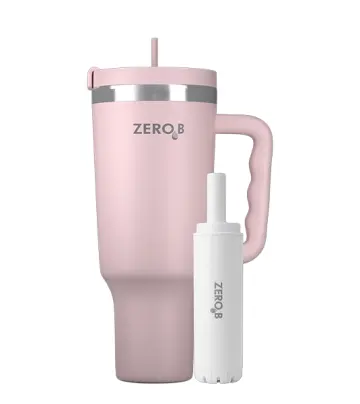
- The ZeroB purifier tumbler holds a full litre, for long days out, and needs no electricity either.
Whichever you choose, change the filters on time. A worn-out cartridge quietly stops doing its job long before the water tastes any different. Your purifier’s manual tells you when.
For offices, restaurants and shops
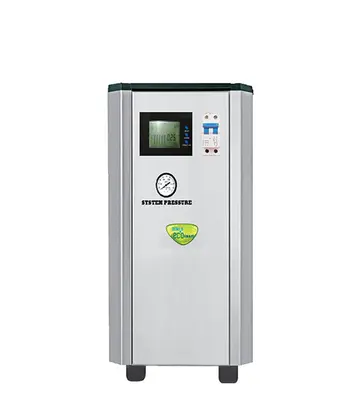
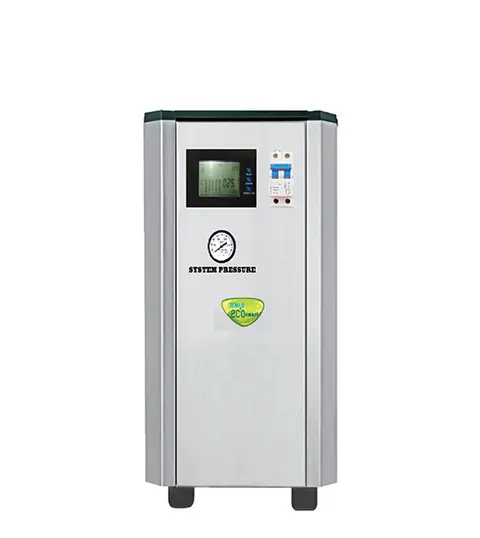
A family purifier makes a few litres an hour; a busy kitchen needs far more. Commercial units such as the ZeroB Eco Smart purify 50 litres an hour and recover up to 70% of the water they take in as drinking water, about three times what a conventional RO system manages.